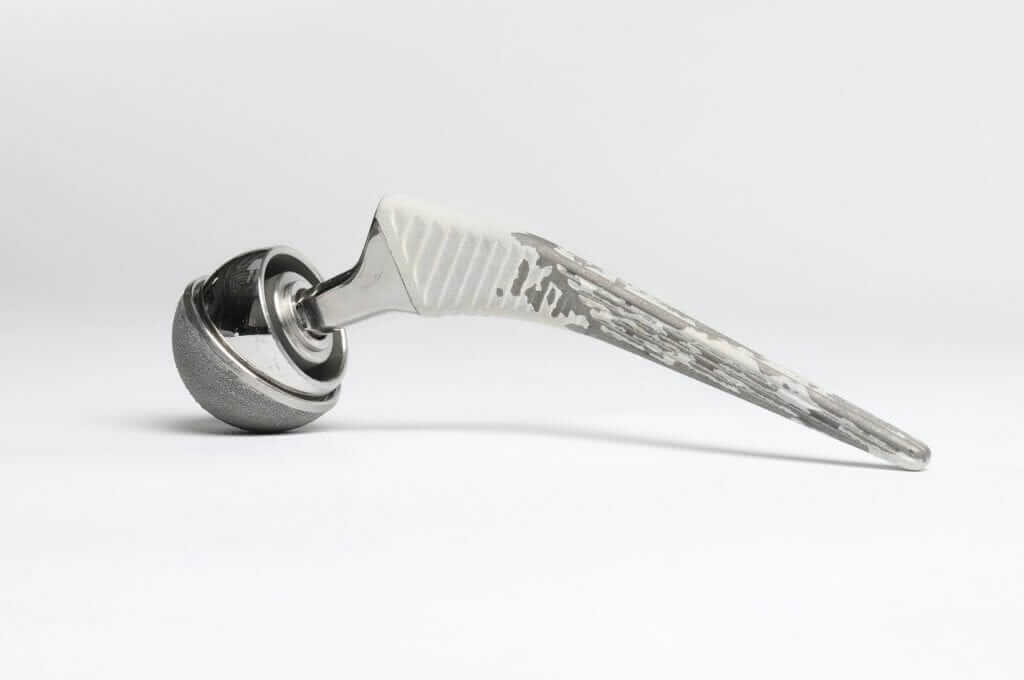

Metal on Metal Hip Replacement Lawsuits & Settlements
Metal on Metal Hip Replacement Lawsuits
Metal-on-metal hip replacements used through the mid-2000s and early 2010s can cause permanent physical damage to patients. Studies show that metal debris from this type of hip replacement can destroy muscle, bone, and tissue around the implant. Even worse, the metal debris can travel through the body and cause organ damage, hearing loss, vision issues, heart problems, and other catastrophic reactions. Many people with metal-on-metal hip implants need revision surgery to remove the damaged parts and replace them with a new hip implant.
The companies that made and sold metal-on-metal hips either recalled them or quietly removed them from the market and no longer sell metal-on-metal hip replacements. Tens of thousands of patients have filed lawsuits against the companies that produced these hips and plaintiffs have won multi-million dollar trial verdicts against them. Lawsuits are ongoing against Johnson & Johnson for their DePuy Pinnacle hip and Biomet Orthopaedics for their M2a Magnum hips.
The attorneys at mctlaw filed the FIRST metal-on-metal hip lawsuit in the United States, so we have a long and successful history for our clients in this litigation.
We represent people against nearly every hip replacement manufacturer in the orthopedic industry. We have a deep understanding of how the orthopedic hip community works, along with extensive medical and technical knowledge about defective metal on metal hip replacements.
Mctlaw is leading the litigation against metal hip makers across the country.
We are currently reviewing cases involving the following hip brands:
- Zimmer Biomet Magnum M2a
- DePuy Pinnacle by Johnson & Johnson
- Exactech Hip Knee and Ankle Recalls
- Exactech Connexion GXL
- Stryker Rejuvenate
- Stryker ABG II
- DePuy ASR
There are currently several Exactech medical implant device recalls. These recalls include:
If you have received one of these joint replacements, contact mctlaw for a free case review.


Click Here To See a List of Revision Surgeons Listed by State
What’s Wrong with Metal-on-Metal Hips?
Metallosis
When a person with a metal on metal hip walks or moves their hip joint, the metal head (or the “ball”) and the metal cup of the implant rub together. This friction causes microscopic pieces of cobalt and chrome to flake off and enter the hip cavity and the bloodstream, causing heavy metal poisoning or metallosis. These tiny metal particles can destroy bone, nerves, and muscles around the hip.
Organ Damage
The metal particles from the hip wear are so small that they travel throughout the entire body and can cause severe reactions in organs like the heart, brain, and kidneys. Some metal hip patients experience unusual symptoms like skin rashes, heart failure, hearing loss, vision loss, mental impairment, kidney failure, or thyroid problems. However, because the science is fairly new that links organ injuries to metal on metal hips, it is difficult to make these arguments in court. The physical damage to the bone and muscle around the hip joint associated with MoM hips is a much stronger case in court.
No Symptoms
Our attorneys have talked with thousands of MoM hip patients and discovered that many of them say they had no symptoms, yet blood tests for metal poisoning showed unusually high metal ion levels in their bloodstream. Leading orthopedic surgeons recommend patients with metal on metal hip implants get blood tests for metal ion levels every 3 months as long as they have the metal on metal hip, EVEN IF THEY HAVE NO SYMPTOMS.
Revision Surgery
Complications from a defective hip replacement may require revision surgery. Revision surgery is when a surgeon removes and replaces a defective hip with a new one. Not all orthopedic surgeons perform revision surgery. After representing many hip revision patients, mctlaw has identified revision surgeons across the country who have performed this highly specialized procedure.
Questions About Filing a Lawsuit:
How do I know if I have a case?
Our Firm will review your information to determine if we can represent you. We might even be able to review some of your medical information over the phone. Often, we need the following documentation:
- Orthopedic surgeon’s office chart
- Operative reports for the original joint replacement surgery and the revision (if performed)
- Device record for the original surgery from the hospital chart (this shows the product and lot numbers of the components of the device)
We can help you track down many of these records. Once our attorneys complete your review, they’ll tell you if we can represent you in your case. However, due to the unique complexity of each case, there’s no one formula to determine if you do or don’t have a viable case.
Why mctlaw does NOT sue orthopedic surgeons:
We do not represent patients in lawsuits against orthopedic surgeons because, in defective hip replacement cases, the problem is with the device, not the doctor. Often your orthopedic surgeon can actually HELP your case.
We believe the companies that made the hip replacements misled surgeons about the safety of their products. That’s why we limit our representation strictly to prosecuting manufacturers, sellers, and distributors of defective joint replacements.
Can you represent me even if I don’t live near your offices?
Yes! Our lawyers represent people across the entire United States. We are a nationwide litigation firm with regional offices in Washington DC, Seattle, WA, and Sarasota, FL.
When it comes to hiring an attorney, make your choice based on experience in this specific field. These are high-profile medical product liability cases. Overall, the law firm you hire should have the resources to manage your case against huge multinational corporations. This is not a typical personal injury case and a local attorney may not be equipped to fight your case.
Is there a deadline to file a defective hip replacement lawsuit?
Yes, definitely. There is a limited period of time to file a lawsuit for injuries suffered as the result of a defective product. Therefore, do not delay in getting more information because it could hurt your case.
Do you collect and refer cases? Because I don’t want that.
No. Absolutely not. mctlaw is not a referral mill or case collection firm. If we take your case, we represent you. Our attorneys represent injured clients across the country in defective medical product liability cases. Our attorneys and staff are your direct contact in all aspects of your case.
How much does it cost to hire mctlaw for a metal on metal hip replacement case?
There is no cost unless we recover money from a verdict or a settlement. Our Firm charges a percentage of any settlement or judgment. In other words, if you do not get any compensation at the end of the lawsuit, we get no fee and you owe us nothing.
Why hire the attorneys at mctlaw?
Mctlaw has focused its practice on defective hip replacement cases for over a decade. Our Firm filed the first lawsuit involving a modern generation model metal on metal hip replacement in the United States in 2008. Find out what kind of experience an attorney has in litigating orthopedic joint replacement cases.
Complications From Metal on Metal Hip Replacements
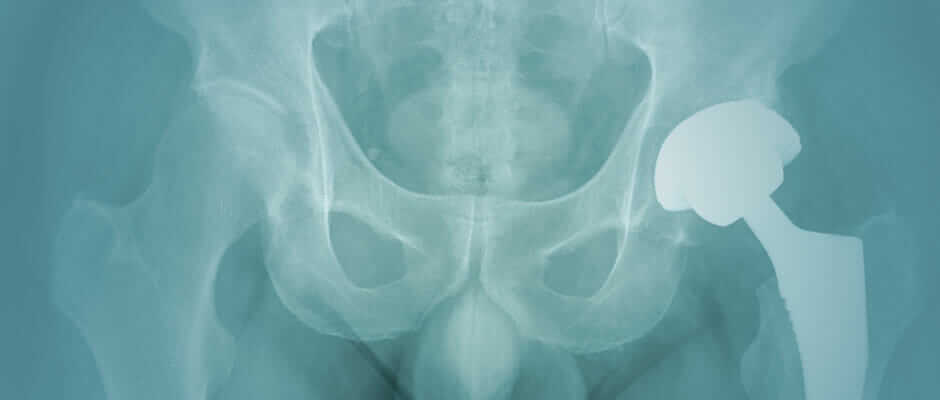
heart failure | cobalt cardiomyopathy
Particles of metal are released from the metal hip implant into the bloodstream, which then can travel around the body. This leads to the hip implant causing issues with many areas of the body other than just the hip. There is evidence that metal on metal hip replacements may cause heart problems and failure in patients.
cobalt chromium toxicity
Cobalt and chromium metal debris from metal on metal hip replacements can end up in a patient’s bloodstream. This may trigger a hypersensitive immune response in their body.
ALVAL
ALVAL is short for Aseptic Lymphocyte-Dominant Vasculitis-Associated Lesions. Essentially, ALVAL happens when metal particles from the implant interact with the body’s immune cells, causing the body’s defense system to act like it’s being attacked.
pseudotumors
A pseudotumor is a large, solid, or semi-liquid mass of soft tissue growth inside the body, usually around the hip joint. They are associated with metal on metal hip replacements, and typically form as a negative reaction to the metal debris.
metallosis
A type of metal poisoning that involves a build-up of metal debris in the body’s soft tissue.
vision loss
When metal ions from metal on metal hip replacements are released into the bloodstream, cobalt-chromium levels rise. This may lead to metal poisoning, which is associated with vision loss.
hearing loss
When metal ions from metal on metal hip replacements are released into the bloodstream, cobalt-chromium levels rise. This may lead to metal poisoning, which is associated with hearing loss.
revision surgery
Metal-on-Metal hip implants are known to have some negative side effects. One of the ways to reverse the side effects is to remove and replace the bad hip implant. This is called a revision surgery.
Click on Each State To View the Number of Cases
The map below shows the number of people across the country with hip replacement cases that we currently represent or have represented in the past. This is not a comprehensive list as we’re reviewing patients’ medical records and accepting metal-on-metal hip cases every day from all 50 states.
Types of Defective Hip Replacements
Zimmer Biomet Magnum m2a
$56 million dollar settlement offered if you filed a claim in court by June 13th, 2014. Even if you missed the settlement deadline, we are still accepting “out-of-deadline” cases.
johnson & johnson depuy pinnacle
In March 2016 a jury in Dallas, Texas awarded a $500 million dollar verdict to five patients with defective Pinnacle hip implants.
exactech connexion gXL
Exactech’s GXL Polyethylene Acetabular Liner is failing at a high rate and much earlier than the product’s intended lifespan.
Depuy ASR
$2.5 billion dollar settlement only applies to patients who had a revision surgery BEFORE January 31, 2015. We accept both cases within the deadline and cases NOT covered by the settlement.
stryker rejuvenate & aBG II
$1.43 billion dollar settlement announced. We review cases that are part of the settlement and also cases NOT covered by the settlement dates.
Connect with us:
Metal on Metal Hip News:
Frequently Asked Questions:
What Types of Hip Replacements are Recalled?
The DePuy ASR and Exactech hip implants have been recalled. In addition, many companies simply stopped making and selling metal on metal hip replacements instead of recalling them. The Zimmer Biomet Magnum M2a and the Johnson & Johnson DePuy Pinnacle metal on metal hips were pulled from the market but never recalled.
Mctlaw currently litigates the following recalled hips:
How Do I Find Out What Kind of Hip Replacement I Have?
To find out what kind of hip replacement you have, start by calling your doctor or hospital and ask for a copy of the operative report and the implant record. Sometimes you may have to fill out a medical records request form or send a letter asking for your records. We’ve created a simple guide to finding out what type of hip you have to help make the process easier for you.
How Do I Know if I Have a Hip Replacement Case?
It depends on many circumstances, including type and brand of hip implant, date of implant, if you’ve had revision surgery or your doctor recommends revision surgery. There are many factors that go into a case review. Our legal team needs to review some of your medical information to determine if we can represent you. We will ask for the following documents:
- Orthopedic surgeon’s office chart
- Operative reports for the original joint replacement surgery and the revision (if performed)
- Device record for the original surgery from the hospital chart (this shows the product and lot numbers of the components of the device).
We can help you track down many of these records. Once our legal team completes your review, they’ll tell you if we can represent you in your case. However, due to the unique complexity of each case, there’s no one formula to determine if you do or don’t have a viable case.
Will Lawyers Sue my Surgeon for a Bad Hip Replacement?
We do not represent patients in lawsuits against orthopedic surgeons because, in defective hip replacement cases, the problem is with the device, not the doctor. Often your orthopedic surgeon can actually HELP your case. We believe the companies that made the hip replacements misled surgeons about the safety of their products. That’s why we limit our representation strictly to prosecuting manufacturers, sellers, and distributors of defective joint replacements.
Can You Represent Me in a Hip Replacement Lawsuit if I Don’t Live Near One of Your Offices?
Yes! We can represent you in a defective hip replacement case anywhere in the country. We are a national law firm and our attorneys represent clients across the country. Our website includes a map of our hip replacement cases broken down by state.
Are you Going to Refer my Hip Replacement Case to Another Firm?
No. Mctlaw is not a referral mill or case collection firm. If we take your case, we represent you. We may refer you to other trusted attorneys, with your permission, if your hip is a brand that we are not actively litigating. But mctlaw is not a referral service. We are on leadership positions in various hip litigations and represent clients across the country in defective hip replacement lawsuits.
What is the Cost of a Hip Replacement Lawsuit?
There is no cost unless we recover money from a verdict or a settlement. Our Firm charges a percentage of any settlement or judgment. In other words, if you do not get any compensation at the end of the lawsuit, we get no fee and you owe us nothing.
Is there a Deadline to File a Hip Replacement Claim?
Yes, there is a deadline to file a hip replacement claim, but it depends on many factors, including your state or where you had the surgery. There is no one answer to this question. That’s why we offer a free case evaluation so we can review your basic medical records and determine if we think you have a viable claim. Do not delay getting more information about filing a lawsuit because you could run out of time.
Why Hire Our Attorneys to Represent You in a Hip Replacement Case?
Mctlaw has focused its legal practice on defective hip replacement cases for more than 15 years. Many law firms refer metal on metal hip cases to the attorneys at mctlaw rather than litigating these cases themselves. In 2008, our attorneys filed the first lawsuit in the United States involving a modern generation model metal on metal hip replacement. Attorneys at mctlaw hold leadership positions in ongoing hip implant litigation. Patients in jury trials across the country have won multimillion-dollar judgments for injuries caused by defective metal on metal hip replacements. Mctlaw is one of the few law firms leading these litigations nationally.
What are the Most Common Complications from Metal on Metal Hip Replacements?
Metallosis, pseudotumors, high cobalt chromium levels, revision surgery to remove and replace a bad hip implant. Metallosis is when small particles of metal rub off from the hip replacement and remain in the bloodstream. The metal particles can rot the healthy hip tissue around the implant. Pseudotumors are another reaction to metal particles. They are large, solid, or semi-liquid masses of soft tissue growth inside the body, usually around the hip joint. Cobalt-Chromium poisoning is also a complication of metal on metal hip replacements, and blood tests must be performed to assess this.
What are the Symptoms of a Failed Hip Replacement?
Many patients have no physical symptoms at all but have dangerously high levels of metal in their blood. Symptoms that you could experience include pain, squeaking in the joint, dislocation, vision loss, cardiac problems, hearing loss, and more. It’s important to know that you may not have any symptoms at all as the hip replacement fails. You should consult your orthopedic surgeon if you have any concerns about your hip implant.
Honors & Awards:








Featured on:















Metal on Metal Hip Replacement Attorneys



Content Reviewed by Ilyas Sayeg – Medical Product Liability Lawyer

Ilyas Sayeg is a partner at mctlaw working in the Firm’s product liability and complex consumer protection practices representing clients with failing metal on metal hip replacements and recalled Exactech hip and knee implants. Mr. Sayeg represents “Davids” nationwide who are injured by defective medical products and deceptive business practices of the corporate “Goliaths” who put profit before safety. A passionate advocate, he takes pride in standing toe-to-toe against some of the largest companies in the world to help his clients seek justice. Mr. Sayeg is a member of the American Association for Justice.
This page was last updated:


Find out right now if you have a claim
Your case review is free. Don’t wait to get help because it could hurt your case.

As an experienced leader in these types of lawsuits, we were confident the firm would have the expertise. However, what surprised us most was the high level of excellent customer service from the firm’s staff!
Pat R.
I can’t recommend this firm enough. They have an outstanding team that truly care for their clients…I have been awarded a fair six figure settlement.
Nate M.
When I say “they went to bat” for me…this Law Firm literally did just that. They persevered to bring the hard-nosed Manufacturer to settle and provide me some recompense for everything I had to endure which led to this suit.
Me’Chelle